
Facelift
Rhytidectomy
A facelift (rhytidectomy) is cosmetic surgery that lifts and tightens sagging skin and deeper tissues of the lower face and neck, smoothing jowls, deep folds and loose neck skin. It usually takes about 2 to 3 hours under general anesthesia or sedation, most people return to work within 2 to 4 weeks, and results typically last about 7 to 10 years.
Source: NHS, Cleveland Clinic, ASPS
- What is a facelift?
- Who is a good candidate for a facelift?
- How to prepare for a facelift
- How a facelift is performed
- Facelift recovery timeline
- Facelift results and how long they last
- Facelift risks and complications
- Alternatives to a facelift
- Choosing a surgeon and having a facelift abroad
- When to call your doctor after a facelift
- FAQ
- Sources
What is a facelift?
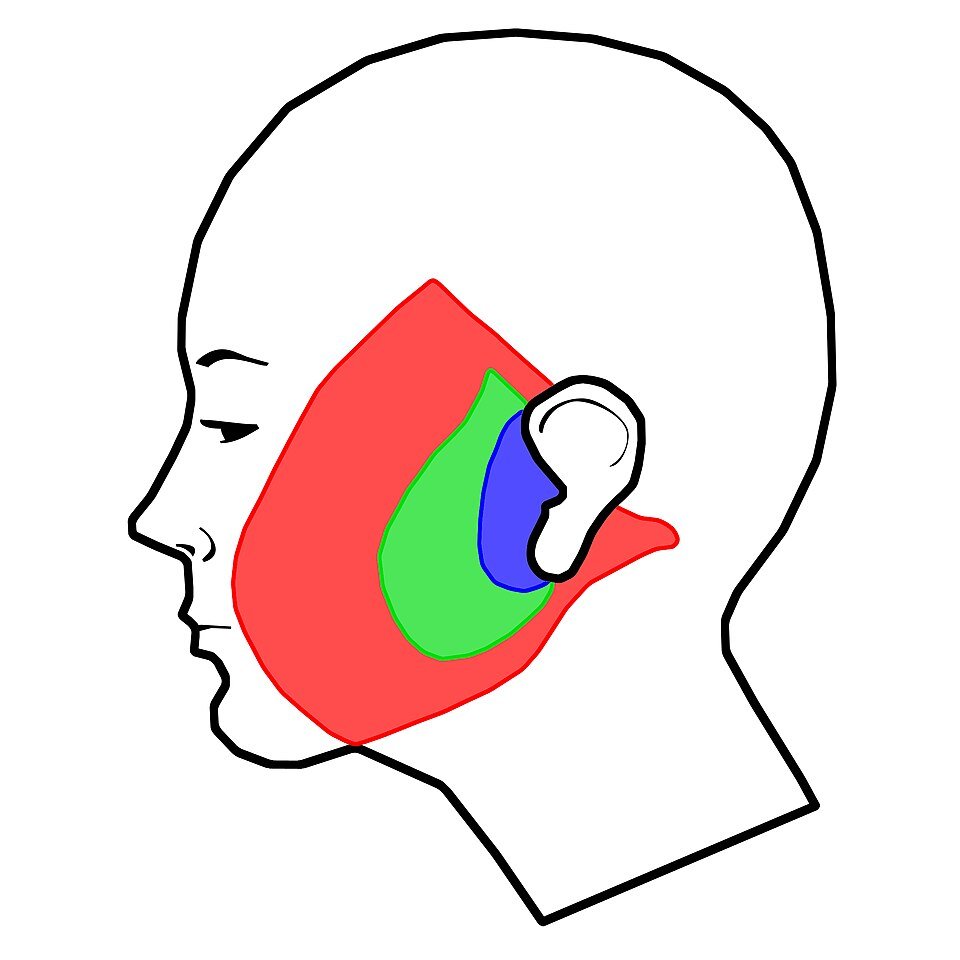
A facelift, known medically as rhytidectomy, is cosmetic surgery that improves visible signs of aging in the face and neck. Depending on the technique, the surgeon repositions or removes skin, fat and the muscle layer beneath the skin so that the lower face and jawline look tighter and smoother. It mainly targets loose skin around the jowls and neck, which is where sagging tends to show most.
Source: NHS, Cleveland Clinic, ASPS
Facial contour changes with age because skin thins, facial fat is lost or shifts downward, and gravity, sun damage, smoking, heredity and stress all play a part. Genes, poor diet and obesity can make sagging start earlier or progress faster. The operation is designed for people who are unhappy with these changes but are otherwise in good health.
Source: ASPS, MedlinePlus
What it can treat
- Sagging caused by relaxed facial skin
- Deep folds running from the sides of the nose to the corners of the mouth
- Facial fat that has dropped or disappeared
- Jowls along the cheeks and jawline
- Loose neck skin and excess fat under the chin (a double chin or “turkey neck”)
Source: ASPS, Cleveland Clinic
What it cannot do
The surgery does not change your fundamental appearance and cannot stop the aging process. It also does not treat fine surface wrinkles, sun damage or uneven skin color; these are addressed with skin treatments such as peels, lasers or resurfacing, which are often combined with surgery. The American Society of Plastic Surgeons (ASPS) notes that minimally invasive treatments cannot match surgical results, although they may delay the need for one, and it describes so-called stem cell facelifts as having unproven benefit.
Source: ASPS, Cleveland Clinic
Types of facelift
- Traditional facelift: incisions around the ears, along the hairline and sometimes under the chin; skin is lifted off the deeper tissues, muscles and support structures are tightened, and excess skin is trimmed. Usually suggested for moderate to marked aging.
- SMAS facelift: a variation of the traditional lift that tightens the superficial musculoaponeurotic system (SMAS), the muscle layer under the skin, to treat the lower two-thirds of the face.
- Deep-plane facelift: lifts the SMAS, fat and skin together as one unit and usually treats several areas at once.
- Mid-facelift: focuses on the cheeks by repositioning cheek fat and tightening the skin.
- Mini-facelift (limited incision): shorter incisions to lift the lower face and neck; quicker and less invasive, usually for younger people with early sagging.
- Skin-only (cutaneous) facelift: treats the skin alone, usually of the lower face and neck.
Source: Cleveland Clinic, ASPS
Techniques have evolved over decades. A 2025 review in the Journal of Clinical Medicine describes the growing popularity of deep-plane facelifts, “preservation” approaches that limit how much skin is lifted, and minimal-access methods. The authors note that high-quality evidence comparing these techniques is limited, and that SMAS-lifting and SMAS-tightening methods have produced comparable cosmetic results in studies.
Source: PMC (J Clin Med)
Who is a good candidate for a facelift?
According to ASPS and Cleveland Clinic, good candidates share a few traits:
Source: ASPS, Cleveland Clinic
- Are physically healthy, with no medical condition that impairs healing
- Do not smoke
- Are emotionally healthy, with a positive outlook and realistic expectations
- Show signs of facial aging but still have some skin elasticity
- Want the surgery for themselves, not to please someone else or match an ideal image
Source: ASPS, Cleveland Clinic
Most people who have the operation are in their 40s, 50s or 60s, but there is no single best age, because aging depends on genetics, lifestyle and environment. Some people have a first facelift in their mid-40s to early 50s and a second “update” in their 60s. People with more loose skin generally need a fuller, traditional lift, while those with mild, early sagging may be suited to a less invasive option such as a mini-facelift.
Source: Cleveland Clinic
Who may not be suitable
Because good candidates are defined as healthy non-smokers with realistic goals, people who smoke, who have conditions that slow wound healing, or who expect surgery to transform their life or appearance may be advised against it or asked to address these issues first. Smoking slows healing and raises the risk of blood clots. Illnesses such as COVID-19, a cold, flu, fever or a herpes outbreak before surgery can lead to the operation being postponed. The NHS advises being sure of your reasons, not rushing into a decision, and talking to your doctor first.
Source: ASPS, MedlinePlus, NHS
How to prepare for a facelift
The process starts with a consultation. The surgeon will ask about your goals, medical conditions, allergies, medicines, supplements, alcohol, tobacco and drug use, and previous surgery; examine and photograph your face and neck; recommend a technique; and explain the likely outcome and risks. MedlinePlus notes the assessment may include a psychological evaluation, and you should mention a possible pregnancy and drinking more than one or two alcoholic drinks a day.
Source: Cleveland Clinic, MedlinePlus
Beforehand you may be asked to
- Have blood tests or a medical evaluation
- Take certain medicines or adjust the ones you already take
- Apply specific products to your facial skin
- Stop smoking
- Stop aspirin, anti-inflammatory painkillers such as ibuprofen and naproxen, vitamin E and herbal supplements, which can increase bleeding and bruising, often during the week before surgery
- Follow fasting instructions on the day of the operation
Source: ASPS, Cleveland Clinic, MedlinePlus
Arrange for an adult to drive you to and from the surgery and to stay with you for at least the first night; Cleveland Clinic recommends having someone with you for at least the first 48 hours. It also helps to prepare a recovery area at home with gauze, clean towels, prescribed ointments, a thermometer, a phone within reach and loose button-down tops that do not need to be pulled over the head. Plan for time off work: about two to four weeks according to the NHS, or about three weeks for a traditional facelift and five to seven days for a mini-facelift according to Cleveland Clinic.
Source: ASPS, Cleveland Clinic, NHS
How a facelift is performed
The operation is done in an accredited office-based surgical facility, a licensed ambulatory surgery center or a hospital. The operation usually takes about two to three hours, according to the NHS, although the time depends on how much is being done.
Step by step
- Anesthesia: usually general anesthesia, or intravenous (IV) sedation, sometimes with local anesthetic. Your surgeon recommends the option.
- Incisions: in a traditional facelift, the cut usually starts in the hairline at the temples, runs down in front of and around the ear and ends in the lower scalp behind the ear. A small cut under the chin may be added to treat the neck. A limited-incision lift uses shorter cuts at the temples and around the ear.
- Lifting and reshaping: fat may be sculpted, removed or redistributed from the face, jowls and neck; the deeper tissues and muscles (the SMAS) are lifted and tightened; and liposuction of the neck and jowls may be done.
- Redraping the skin: the skin is pulled upward and backward over the new contours and the excess is trimmed away.
- Closing: the incisions are closed with dissolving stitches, stitches that are removed after a few days, or skin glue. A bandage is wrapped around the face to limit swelling and bruising, and a small drainage tube may be placed behind the ear.
Source: ASPS, NHS, MedlinePlus, Cleveland Clinic
Once healed, the scars are usually hidden in the hairline and the natural creases of the face and ear. A neck lift, which treats jowls, loose neck skin and fat under the chin, uses an incision that starts in front of the earlobe, wraps behind the ear and ends in the hair at the back of the head.
Source: ASPS, MedlinePlus
Procedures often combined with it
It is frequently combined with eyelid surgery (blepharoplasty), a brow lift, nose surgery (rhinoplasty), facial implants or fat transfer to restore volume, and skin resurfacing such as chemical peels or laser treatment to improve skin texture, which the lift itself does not change.
Source: Cleveland Clinic, ASPS, MedlinePlus
Hospital stay
Advice on the hospital stay varies. The NHS says most people stay in the hospital overnight, while Cleveland Clinic notes that you can usually go home once you are stable, which often takes a couple of hours. Your surgeon will tell you what applies to your operation.
Source: NHS, Cleveland Clinic
Facelift recovery timeline
Pain after surgery is usually mild and controlled with prescribed medicine. Most people feel reasonably well within the first several days, but swelling and bruising mean many prefer not to go out in public for the first week or two. ASPS says most people look presentable within 10 to 14 days.
Source: MedlinePlus, Cleveland Clinic, ASPS
| Time after surgery | What to expect |
|---|---|
| Days 1–2 | Head kept raised on 2–3 pillows; no showering or wetting the bandages; drain (if used) removed after 1–2 days |
| Days 1–5 | Head bandages usually removed |
| Days 5–14 | Stitches removed (some at 5–7 days, hairline stitches a little later), unless dissolvable |
| After week 1 | Concealing makeup can usually be used |
| Weeks 2–3 | Most bruising and swelling settle; strenuous activity, saunas and massage avoided for at least 2–3 weeks |
| Weeks 2–4 | Return to work for most people (5–7 days after a mini-facelift) |
| Weeks 4–6 | Paleness, bruising and puffiness usually resolved; facial stiffness usually gone by 6 weeks |
| Months 2–3 | Face feels “back to normal” in texture, sensation and tightness |
| Months 6–9 | Final result visible (NHS); numbness of the face and ears may take up to several months to fade |
Source: NHS, MedlinePlus, Cleveland Clinic, ASPS
Recovery tips
- Avoid aspirin, ibuprofen and other NSAIDs for the first few days unless your surgeon says otherwise
- Avoid smoking and secondhand smoke
- Avoid straining, bending and heavy lifting in the early days
- Do not drive until your surgeon says it is safe, usually after a number of days
- Ask your surgeon when you can wash your face, wear makeup, color your hair or have a haircut
- Limit sun exposure while scars mature
Source: MedlinePlus, NHS, ASPS

Facelift results and how long they last
Visible improvement appears as swelling and bruising fade, with the final result taking around six to nine months according to the NHS. Most people are pleased with the outcome, and the aim is a more rested, youthful look rather than a different face. Scars fade over time but do not disappear completely.
Source: NHS, ASPS, MedlinePlus
Cleveland Clinic states that results usually last about seven to 10 years. You continue to age after surgery, so some people choose a second, smaller procedure years later. MedlinePlus notes that different techniques give similar outcomes but may differ in how long they last. Daily sun protection and a healthy lifestyle help extend results.
Source: Cleveland Clinic, MedlinePlus, ASPS
Results are not guaranteed. Sometimes the desired effect is not achieved and a second operation may be needed, so ask beforehand how further surgery would be handled and paid for.
Facelift risks and complications
Some side effects are expected after the operation. These include a swollen or numb face for weeks or months, stiffness of the face and mouth (usually gone within six weeks), bruising for a few weeks, pain, low mood for a few days, and scars that fade but remain. Some people notice a raised hairline or sideburns, or thinner hair growth at the temples.
Source: NHS
Less common complications
- Hematoma: a collection of blood under the skin, the most frequently reported complication
- Facial nerve injury: weakness or loss of movement in part of the face, usually temporary but occasionally permanent
- Numbness or other changes in skin sensation, and persistent pain
- Poor wound healing or loss of skin
- Fluid collection (seroma) and prolonged swelling
- Infection
- Hair loss at the incision sites, temporary or permanent
- Thick or poorly placed scars, uneven results (asymmetry, including earlobe position) and skin irregularities or discoloration
- Stitches that work their way to the surface and need removal
- Reactions to anesthesia, bleeding, blood clots in the legs, and heart or lung problems
Source: ASPS, MedlinePlus, NHS, Cleveland Clinic
ASPS and Cleveland Clinic describe serious complications as rare. Reported rates vary between studies: a 2025 review in the Journal of Clinical Medicine gives a hematoma rate of 1% to 14%, with high blood pressure, male sex and blood-thinning or antiplatelet medicines as risk factors. Keeping blood pressure under control after surgery is linked to fewer hematomas. The same review found higher rates of temporary facial nerve weakness with deep-plane and high SMAS techniques than with SMAS tightening, but no difference in permanent nerve injury.
Source: ASPS, Cleveland Clinic, PMC (J Clin Med)
Alternatives to a facelift
Surgery gives the most dramatic and longest-lasting lift, but several less invasive treatments can improve early sagging or skin quality with less downtime and lower cost. None of them matches the result of surgery.
- Thread lift: dissolvable threads placed under the skin with local anesthetic in about an hour; subtle lift, little downtime, results lasting about one to three years. It may suit people in their late 30s to early 50s or those refreshing an earlier facelift.
- Dermal fillers (“liquid facelift”): injected to restore lost volume and soften folds.
- Botulinum toxin (Botox) injections: neuromodulators that relax wrinkle-forming muscles, often used before and after surgery.
- Non-invasive ultrasound: heats deep skin to build collagen, with modest tightening over two to six months.
- Radiofrequency: some tightening right away with the best effect at around six months; the AAD says results can last two to three years with good skin care.
- Laser resurfacing: described by the AAD as the most effective non-surgical option for loose skin, with about five to seven days at home and a higher risk of side effects such as scarring.
- Chemical peels and microneedling: improve skin texture, fine lines and tone rather than lifting tissue.
Source: Cleveland Clinic, Cleveland Clinic, PMC (J Clin Med), AAD
Smaller surgical options include a mini-facelift, skin-only lift or mid-facelift. Eyelid surgery and a brow lift treat the upper face, which a standard lift does not reach.
Source: Cleveland Clinic, ASPS
Choosing a surgeon and having a facelift abroad
Choose a surgeon who is properly qualified and registered. In the US, Cleveland Clinic advises choosing a surgeon certified by the American Board of Plastic Surgery; in England, surgeons must be on the General Medical Council register and clinics must be registered with the Care Quality Commission. Ask how many of these operations the surgeon has done, which technique they recommend and why, to see before-and-after photos, how long the results are likely to last, what complications they have had and what follow-up care is available if something goes wrong.
Source: Cleveland Clinic, NHS
Cost
ASPS reports an average surgeon’s fee of $11,395 for a facelift in the United States, not including anesthesia, operating room or other costs. In the UK, the NHS puts the price at a few thousand pounds for a mini-facelift and up to £10,000 for a face and neck lift, with consultations and follow-up often extra. Health insurance generally does not cover cosmetic facelifts, so get all costs in writing.
Source: ASPS, NHS, Cleveland Clinic
Surgery abroad
Many people travel for cosmetic surgery. The NHS warns that safety standards and aftercare may not be as high in some countries, and suggests checking how the clinic and surgeon are regulated, meeting the surgeon yourself rather than only sales staff, having two consultations with a cooling-off period, and being cautious of holiday packages. Travel insurance usually does not cover complications of surgery, so plan how follow-up appointments and any further treatment would work.
Source: NHS
Do not plan sightseeing, sunbathing, swimming or alcohol straight after surgery. Because flying after major surgery raises the risk of a dangerous blood clot, the NHS advises avoiding air travel for 7 to 10 days after facial procedures.
Source: NHS
When to call your doctor after a facelift
Some swelling, bruising, tightness and numbness are normal in the first weeks. Contact your surgeon or clinic promptly if you have severe pain or symptoms you did not expect, or if anything seems to be getting worse rather than better.
Source: NHS, Cleveland Clinic
- Bleeding soaks through your bandage
- Swelling is extreme or rapidly increasing, especially on one side
- You develop a fever or pus-like discharge from an incision
- You have extreme pain that medicine does not control
- Stitches come out before they are due to be removed
Source: Cleveland Clinic, NHS
Related treatments
Related conditions
Facelift: frequently asked questions
How long does a facelift last?
Cleveland Clinic says results usually last about 7 to 10 years. You keep aging after surgery, and sun protection and a healthy lifestyle help results last longer.
Source: Cleveland Clinic, ASPS
What is the best age for a facelift?
There is no single best age. Most people have a facelift in their 40s, 50s or 60s; the best candidates show signs of aging but still have some skin elasticity.
Source: Cleveland Clinic
How long is recovery after a facelift?
Most bruising and swelling settle in 2 to 3 weeks, and most people return to work in 2 to 4 weeks (5 to 7 days after a mini-facelift). The face feels normal after 2 to 3 months, and the final result shows at 6 to 9 months.
Source: NHS, Cleveland Clinic, ASPS
Is a facelift painful?
Pain is usually mild and managed with prescribed medicine. Tightness, numbness and stiffness are common for weeks and gradually improve.
Source: MedlinePlus, NHS
Will facelift scars show?
What is the difference between a mini facelift and a full facelift?
A mini-facelift uses shorter incisions to lift the lower face and neck and suits early sagging, with about 5 to 7 days off work. A full facelift treats more loose skin and deeper tissue and needs a longer recovery.
Source: Cleveland Clinic, ASPS
Does a facelift get rid of wrinkles?
Not all of them. A facelift lifts sagging skin and deep folds, but it does not treat fine surface wrinkles, sun damage or skin color changes. Peels or laser resurfacing are often combined for these.
Source: Cleveland Clinic, ASPS
How much does a facelift cost?
When can I fly after a facelift?
The NHS advises avoiding flights for 7 to 10 days after facial procedures because of the risk of blood clots.
Source: NHS
Ask about a facelift
Sources
- NHS — Facelift
- NHS — Cosmetic surgery abroad
- ASPS — Facelift
- ASPS — Facelift candidates
- ASPS — Facelift procedure steps
- ASPS — Facelift recovery
- ASPS — Facelift risks and safety
- ASPS — Facelift results
- ASPS — Facelift preparation
- ASPS — Facelift cost
- Cleveland Clinic — Facelift (Rhytidectomy): What Is It, Recovery & What to Expect
- Cleveland Clinic — Thread Lift: What to Expect, Benefits & Complications
- MedlinePlus — Facelift
- PMC (J Clin Med) — Current Trends in Facelift and Necklift Procedures
- AAD — Many ways to firm sagging skin
This page is part of the Morepital medical reference. It is for general health education and does not replace a consultation with a qualified doctor. Last reviewed: October 2026.