Irritable bowel syndrome (IBS) is a common, long-term disorder of the gut-brain connection that causes recurring belly pain linked to bowel movements, along with bloating and diarrhea, constipation, or both. It does not damage the intestines or raise the risk of colon cancer, and most people can control their symptoms with diet changes, stress management and, when needed, medicine.
Source: NHS, NIDDK, Cleveland Clinic
Contents
- What is irritable bowel syndrome?
- Irritable bowel syndrome symptoms
- IBS-C, IBS-D and IBS-M
- Causes and triggers
- Red flags: when it may not be IBS
- How irritable bowel syndrome is diagnosed
- The low-FODMAP diet and other food strategies
- Medicines and therapies
- Stress and the gut-brain axis
- Frequently asked questions
What is irritable bowel syndrome?
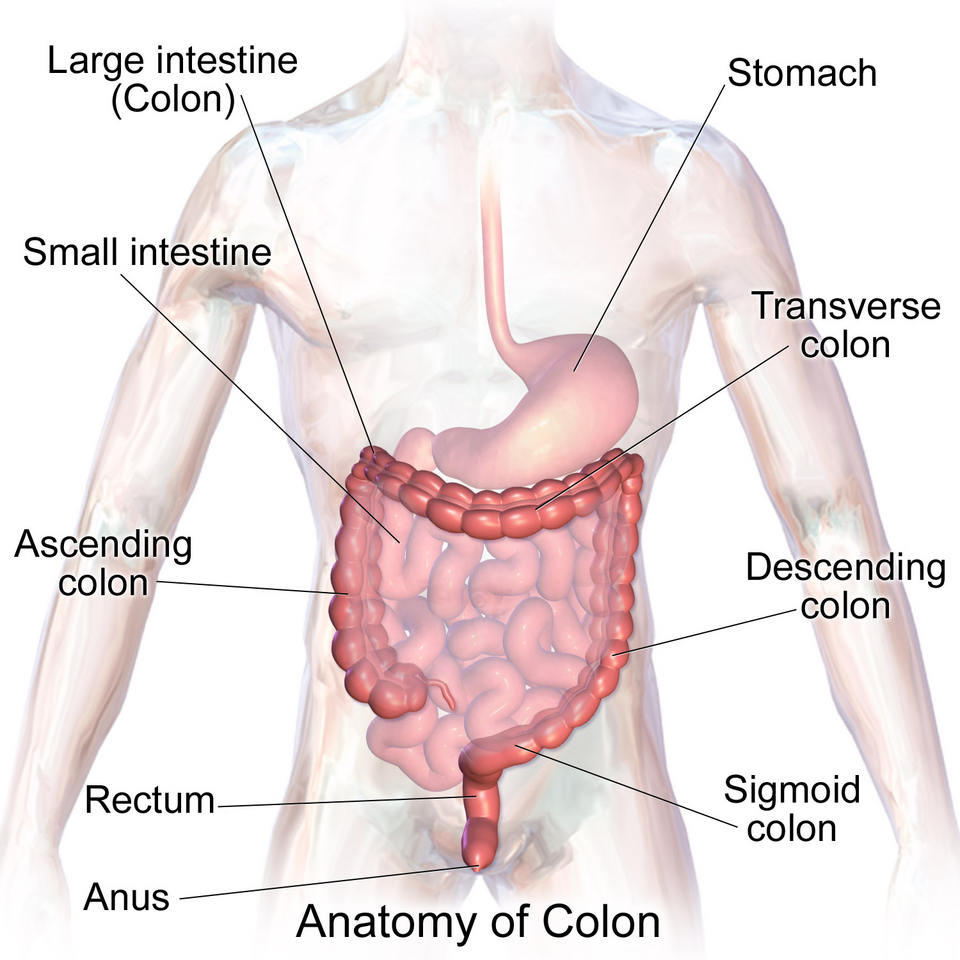
Irritable bowel syndrome is a disorder of gut-brain interaction (a functional gastrointestinal disorder): the bowel looks normal on tests, but the way the brain and gut communicate is out of tune. That mismatch can make food move through the digestive tract too quickly or too slowly, and it can make normal amounts of gas or stool feel painful.
Source: NIDDK, Cleveland Clinic
Cleveland Clinic estimates that about 10% to 15% of adults in the United States have irritable bowel syndrome, but only about 5% to 7% have been diagnosed, and it is the condition gastroenterologists diagnose most often. NIDDK puts the figure at roughly 12% of people in the United States. Worldwide figures depend on the definition used: a Rome Foundation survey of over 73,000 adults in 33 countries found that 4.1% of internet respondents met the stricter Rome IV criteria, compared with 10.1% under the older Rome III criteria.
Source: Cleveland Clinic, NIDDK, Gastroenterology (Rome Foundation Global Study)
Women are up to twice as likely as men to develop irritable bowel syndrome, and it is more common before the age of 50. Symptoms often first appear between the late teens and early 40s. Having a relative with IBS, a history of stressful or difficult childhood experiences, or a previous severe gut infection also makes it more likely.
Source: NIDDK, Cleveland Clinic
Irritable bowel syndrome symptoms
The two core symptoms are abdominal pain and a change in bowel habits. The NHS describes the pain or cramping as usually worse after eating and better after a bowel movement. The change in bowel habits can mean diarrhea, constipation or a mix of the two.
Common symptoms of irritable bowel syndrome include:
- Belly pain or cramps, often eased by passing stool.
- Bloating and a feeling of fullness or swelling in the abdomen.
- Diarrhea, with watery stools and sudden urges to go.
- Constipation, with straining and a feeling that the bowel has not fully emptied.
- Gas and whitish mucus in the stool.
Many people also notice symptoms outside the gut. The NHS lists tiredness, nausea, back pain, needing to urinate often or urgently, pelvic pain and, in some cases, bowel incontinence. Women with IBS often find that symptoms get worse during their periods.
Irritable bowel syndrome also tends to travel with other conditions, including fibromyalgia, chronic fatigue syndrome, chronic pelvic pain, reflux (GERD), anxiety and depression.
Source: NIDDK
IBS-C, IBS-D and IBS-M: the types of irritable bowel syndrome
Doctors divide irritable bowel syndrome into subtypes according to stool form on days when bowel movements are abnormal. The subtype matters because several treatments are aimed specifically at constipation or at diarrhea.
Source: NIDDK, Cleveland Clinic
IBS with constipation (IBS-C)
More than a quarter of abnormal stools are hard or lumpy, and fewer than a quarter are loose or watery. People with IBS-C often describe straining, infrequent bowel movements and a sense of incomplete emptying, along with pain and bloating.
IBS with diarrhea (IBS-D)
More than a quarter of abnormal stools are loose or watery, and fewer than a quarter are hard or lumpy. Watery stools and sudden urges to go are typical.
IBS with mixed bowel habits (IBS-M)
More than a quarter of abnormal stools are hard or lumpy and more than a quarter are loose or watery, so the person swings between constipation and diarrhea.
Source: NIDDK, Cleveland Clinic
Some people do not fit neatly into any of these groups, and a doctor can still diagnose irritable bowel syndrome.
Source: NIDDK
What causes irritable bowel syndrome, and what triggers flare-ups?
No one knows the exact cause of irritable bowel syndrome. Experts think several factors combine, and the mix may differ from person to person. The main mechanisms researchers point to are:
- Gut-brain miscommunication that changes how fast the bowel moves and how pain signals are processed.
- Dysmotility, where the muscles of the colon contract more than usual.
- Visceral hypersensitivity, meaning the nerves of the gut are unusually sensitive, so ordinary stretching from gas or stool feels painful.
- Differences in gut bacteria, including small intestinal bacterial overgrowth (SIBO) in some people.
- A previous severe gut infection, after which IBS can develop (often called post-infectious IBS).
- Food intolerances or sensitivities.
- Early-life stress, such as abuse, and mental health conditions such as anxiety and depression.
- Genes, which may make some people more likely to develop the condition.
Source: NIDDK, Cleveland Clinic, MedlinePlus
Common triggers
Triggers do not cause irritable bowel syndrome, but they can set off or worsen symptoms in someone who already has it, and flare-ups can also happen with no obvious trigger. Frequently reported triggers include:
- Alcohol, caffeine and fizzy drinks.
- Spicy, fatty or heavily processed foods.
- Gas-producing foods, dairy and gluten in some people.
- Stress and anxiety.
- Menstrual periods.
- Repeated courses of antibiotics.
Source: NHS, Cleveland Clinic, NHS
Red flags: when symptoms may not be irritable bowel syndrome

Some symptoms are not explained by irritable bowel syndrome and point toward a different condition that needs investigation. The NHS advises an urgent GP appointment (or calling NHS 111 in the UK) if you:
- Have lost a lot of weight for no reason.
- Are bleeding from your bottom or have bloody diarrhea.
- Find a hard lump or swelling in your abdomen.
- Have shortness of breath, noticeable heartbeats (palpitations) and skin paler than usual, which can be signs of anemia.
Source: NHS
NIDDK lists anemia, rectal bleeding, bloody or black, tarry stools and weight loss as signs that suggest another problem. A family history of celiac disease, colon cancer or inflammatory bowel disease is also a reason for doctors to look more closely.
Source: NIDDK
Outside these warning signs, the NHS suggests seeing a doctor if you think you may have IBS and your symptoms have lasted more than four weeks. Celiac disease and inflammatory bowel disease can mimic irritable bowel syndrome but need different treatment.
How irritable bowel syndrome is diagnosed
There is no single test that proves irritable bowel syndrome. Instead, doctors make a diagnosis based on your symptom pattern, a physical examination and a small number of tests to rule out conditions that look similar.
Source: NHS, Cleveland Clinic
The symptom criteria
Doctors usually diagnose IBS when you have recurring abdominal pain together with at least two of the following: the pain is related to bowel movements, it comes with a change in how often you have bowel movements, or it comes with a change in how your stool looks. The symptoms generally occur at least once a week over the past three months and started at least six months ago, although a doctor may diagnose it sooner.
Source: NIDDK
A positive diagnosis, not endless tests
The American College of Gastroenterology (ACG) guideline recommends a “positive” diagnostic strategy, meaning doctors diagnose IBS from its typical features rather than ordering test after test to exclude everything else first. The guideline found this approach shortens the time before effective treatment begins.
Source: American Journal of Gastroenterology (ACG guideline)
Tests your doctor may order
- Blood tests to look for anemia, infection and celiac disease. ACG suggests celiac blood tests for people with IBS and diarrhea.
- Stool tests to check for infection, blood or inflammation. ACG suggests a fecal calprotectin test in suspected IBS with diarrhea to help rule out inflammatory bowel disease.
- Hydrogen breath test in some cases, to look for SIBO or carbohydrate problems such as lactose intolerance.
- Colonoscopy or upper endoscopy only when there are red flags, an unclear picture, or when routine colon cancer screening is due.
Source: NIDDK, American Journal of Gastroenterology (ACG guideline), Cleveland Clinic
In the UK, the NHS notes that most people do not need hospital tests unless the GP is unsure what the problem is.
Source: NHS
The low-FODMAP diet and other food strategies for irritable bowel syndrome
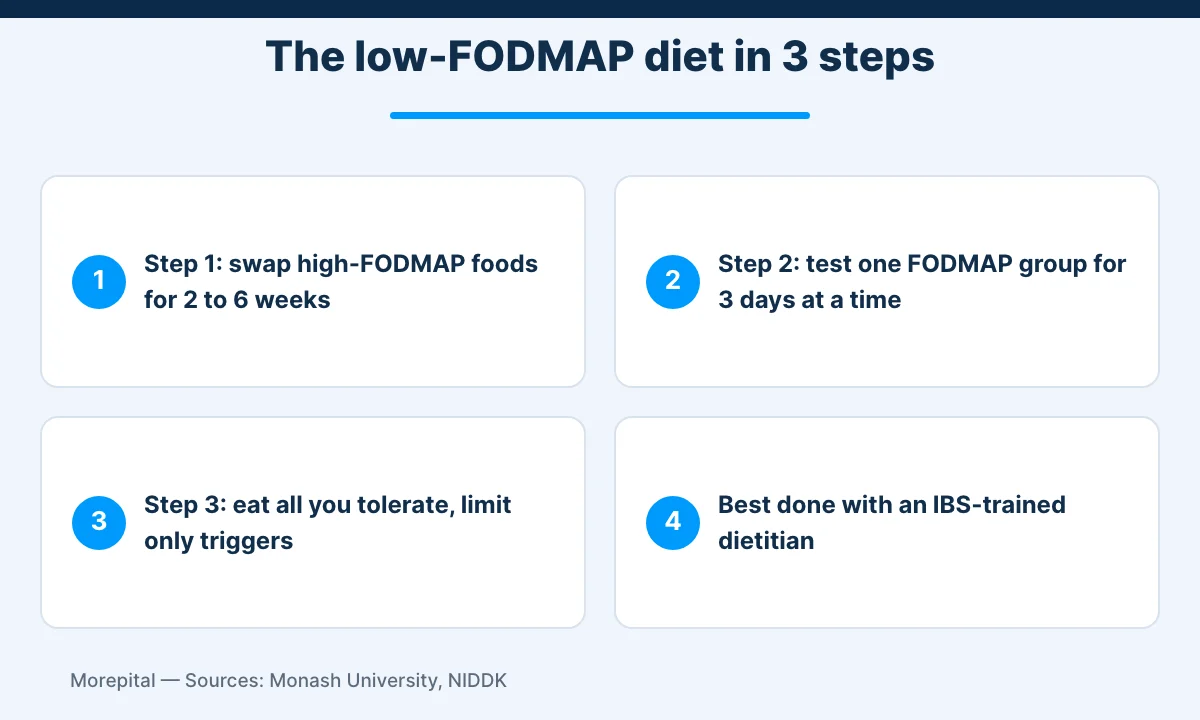
FODMAP stands for fermentable oligosaccharides, disaccharides, monosaccharides and polyols. These are carbohydrates that are hard to digest and can trigger gas, bloating, pain and changes in stool in people with sensitive guts. The ACG guideline recommends a limited trial of a low-FODMAP diet to improve overall IBS symptoms, and the Monash University FODMAP team reports that about three in four people with IBS improve on it.
Source: Monash University, American Journal of Gastroenterology (ACG guideline), NIDDK
Which foods are high in FODMAPs?
- Fructans and GOS: wheat, rye, onions, garlic, beans and other pulses.
- Lactose: milk, yogurt and soft cheeses.
- Excess fructose: honey, apples and high-fructose corn syrup.
- Polyols: some fruits and vegetables and sweeteners ending in “-ol” (such as sorbitol), found in sugar-free gum and candy.
Source: Monash University, NIDDK
The three steps
- Restriction (2 to 6 weeks): swap high-FODMAP foods for low-FODMAP alternatives. If symptoms do not improve, your IBS may not be FODMAP-sensitive and other therapies are worth considering.
- Reintroduction: while staying low-FODMAP, test one FODMAP group at a time by eating a food rich in it daily for three days and recording symptoms.
- Personalization (long term): bring back every food you tolerate and restrict only your true triggers, only as much as needed. Retest over time, because tolerance can change.
Source: Monash University
The restriction phase is not meant to be permanent. Monash advises following the diet under a dietitian with specialist IBS training, and the NHS notes that a GP can refer you to a dietitian if you find yourself avoiding many foods. The diet eases symptoms but does not cure IBS.
Source: Monash University, Monash University, NHS
Simpler first steps
Many people with irritable bowel syndrome improve with basic changes before trying a full low-FODMAP plan. NHS advice includes eating regular meals without skipping or rushing them, drinking about 1.5 liters (roughly 50 fl oz) of fluid a day, limiting fresh fruit to three 80 g (about 3 oz) portions a day, keeping caffeinated drinks to three cups a day, and cutting back on alcohol, fizzy drinks and fatty, spicy or processed food.
Source: NHS
Fiber needs depend on your subtype. For constipation, soluble fiber from oats, pulses, carrots, peeled potatoes and linseeds tends to help more than insoluble fiber, and NIDDK advises adding it slowly, by about 2 to 3 grams a day, because too much at once causes gas. For diarrhea, the NHS suggests cutting down on high-fiber foods such as wholegrain bread, brown rice, nuts and seeds. Some people with IBS also feel worse after eating gluten even though they do not have celiac disease.
Irritable bowel syndrome treatments: medicines and therapies
No single treatment works for everyone, and finding the right combination can take some trial and error. Doctors usually match treatment to your main symptom and subtype. Availability of irritable bowel syndrome medicines varies between countries.
Source: Cleveland Clinic, NIDDK
For IBS with constipation
Options include fiber supplements and laxatives (in the UK, the NHS mentions bulk-forming laxatives such as Fybogel). Prescription medicines include lubiprostone, linaclotide and plecanatide. The ACG guideline recommends the chloride channel activator and guanylate cyclase activator classes, to which these belong, for overall IBS-C symptoms.
Source: NIDDK, NHS, American Journal of Gastroenterology (ACG guideline)
For IBS with diarrhea
Loperamide can reduce diarrhea. Prescription options include rifaximin, an antibiotic that the ACG guideline recommends for overall IBS-D symptoms, eluxadoline and alosetron. NIDDK notes that alosetron is prescribed only to women and comes with special warnings and precautions.
Source: NIDDK, American Journal of Gastroenterology (ACG guideline)
For pain, cramps and bloating
Antispasmodics (such as hyoscine butylbromide, sold as Buscopan, and dicyclomine), coated peppermint oil capsules and low-dose tricyclic antidepressants or SSRIs can ease pain. Antidepressants are used at low doses for their effect on gut nerves, and they can be especially helpful when anxiety or depression is also present.
Source: NIDDK, NHS, Cleveland Clinic
Probiotics
Probiotics may help some people with irritable bowel syndrome, but research is still ongoing. The NHS suggests trying a product for about a month to see whether it makes a difference, and NIDDK advises discussing the type, dose and duration with your doctor first.
Source: NHS, NIDDK, Cleveland Clinic
| Main problem | Lifestyle and diet | Medicine options (doctor or pharmacist) |
|---|---|---|
| Constipation (IBS-C) | More water, gradual soluble fiber (oats, linseeds) | Fiber supplements, laxatives, lubiprostone, linaclotide, plecanatide |
| Diarrhea (IBS-D) | Less high-fiber food, avoid sorbitol, keep hydrated | Loperamide, rifaximin, eluxadoline, alosetron (women only) |
| Pain and cramps | Regular meals, relaxation, exercise | Antispasmodics, peppermint oil, low-dose antidepressants |
| Bloating and gas | Oats, up to 1 tbsp linseeds a day, low-FODMAP trial | Antispasmodics, peppermint oil |
| Stress-linked flares | Sleep, 150 minutes of weekly exercise | CBT, gut-directed hypnotherapy, relaxation training |
Source: NIDDK, NHS, Cleveland Clinic
Stress, the gut-brain axis and living with irritable bowel syndrome
In irritable bowel syndrome, the communication between the brain and the gut does not work as smoothly as it should. Stress does not cause IBS on its own, but it can trigger or worsen flare-ups, which is why the condition has sometimes been called a “nervous stomach.”
Source: Cleveland Clinic, NIDDK, NHS
Psychological therapies that target the gut
These treatments do not mean symptoms are “in your head”; they act on the gut-brain pathway, and the ACG guideline suggests gut-directed psychotherapy for overall IBS symptoms. Options include:
- Cognitive behavioral therapy (CBT), which helps change unhelpful thought and behavior patterns around symptoms.
- Gut-directed hypnotherapy, which uses hypnosis focused on calming the bowel.
- Relaxation training and biofeedback, which help relax muscles and reduce the body’s stress response.
Source: American Journal of Gastroenterology (ACG guideline), NIDDK, Cleveland Clinic
Everyday habits that help
Regular moderate exercise (about 150 minutes a week), consistent and adequate sleep and setting aside time to relax all support symptom control.
Source: Cleveland Clinic, NIDDK, NHS
See a doctor again if diet changes and over-the-counter medicines have not helped, if you are avoiding many foods, or if your symptoms change in character. A new red-flag symptom always deserves fresh assessment, even if you have had a diagnosis of irritable bowel syndrome for years.
Irritable bowel syndrome: frequently asked questions
Is irritable bowel syndrome dangerous?
No. It can be painful and disruptive, but it does not damage the digestive tract or raise the risk of colitis, Crohn’s disease or colon cancer.
Source: Cleveland Clinic, NIDDK
Can irritable bowel syndrome be cured?
There is no cure, and the condition is usually long term. However, most people improve within weeks to months once they find the right combination of diet, stress management and medicine.
Source: Cleveland Clinic, NHS
What is the difference between IBS and IBD?
IBS is a disorder of gut-brain interaction that does not damage the bowel. Inflammatory bowel disease (IBD), which includes Crohn’s disease and ulcerative colitis, involves inflammation that can be seen on tests. That is why doctors may check stool calprotectin before diagnosing IBS with diarrhea.
Source: NIDDK, American Journal of Gastroenterology (ACG guideline), Cleveland Clinic
How long should I follow a low-FODMAP diet?
The strict phase lasts only 2 to 6 weeks. After that, foods are reintroduced one group at a time so you restrict only your personal triggers in the long term.
Source: Monash University
Does stress cause irritable bowel syndrome?
Stress is a trigger of irritable bowel syndrome flare-ups rather than the underlying cause. It can set off or worsen symptoms, and therapies such as CBT and gut-directed hypnotherapy can help.
Source: Cleveland Clinic, NIDDK
Disclaimer: this article is for general health education and does not replace advice from a qualified doctor who can assess your individual case. Last updated: October 2026.