
Type 2 diabetes
Type 2 diabetes mellitus (T2DM)
Type 2 diabetes is a long-term condition in which blood sugar stays too high because the body does not make enough insulin or cannot use it properly (insulin resistance). It accounts for more than 95% of diabetes worldwide and is managed with lifestyle changes, medicines and sometimes insulin or weight-loss surgery; it can go into remission but is not considered curable.
Source: NHS, WHO, Cleveland Clinic
- What is type 2 diabetes?
- Symptoms of type 2 diabetes
- Causes and risk factors
- Prediabetes: the warning stage
- How type 2 diabetes is diagnosed
- Treatment options
- Can type 2 diabetes be cured or reversed?
- Complications
- Prevention and living with type 2 diabetes
- When to see a doctor
- FAQ
- Sources
What is type 2 diabetes?
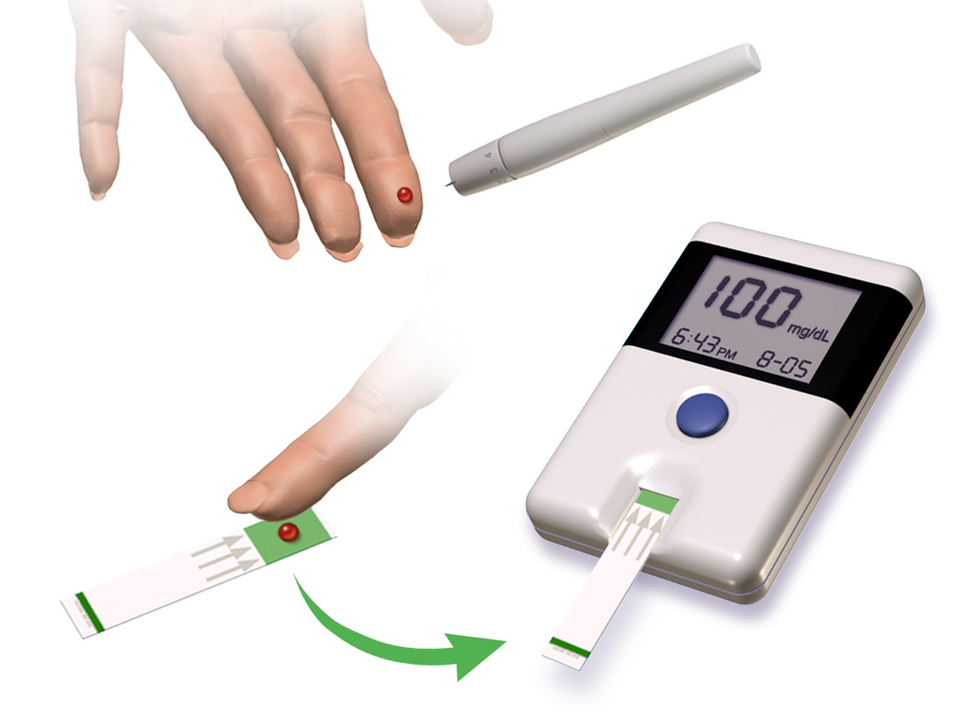
Type 2 diabetes is a long-term condition in which the level of glucose (sugar) in the blood stays too high. Glucose is the body’s main fuel, and the hormone insulin, made by the pancreas, is what lets it move out of the bloodstream and into cells. In type 2 diabetes the body either does not make enough insulin or its cells do not respond to insulin properly, so glucose builds up in the blood instead of being used for energy.
The central problem is called insulin resistance: muscle, fat and liver cells react poorly to insulin. At first the pancreas compensates by producing extra insulin, but over time it cannot keep up and blood sugar climbs. Sustained high blood sugar slowly damages blood vessels and nerves, which is why the condition affects the heart, eyes, kidneys and feet.
Source: CDC, MedlinePlus
Type 2 diabetes is not the same as type 1 diabetes. Type 1 is caused by the immune system attacking the insulin-producing cells and requires daily insulin to survive, whereas type 2 is not an autoimmune disease and can often be prevented or delayed with lifestyle changes.
How common is it?
Type 2 diabetes is by far the most common form of diabetes. The World Health Organization (WHO) estimates that 830 million people were living with diabetes in 2022, up from 200 million in 1990, and that more than 95% of them have type 2. Global adult prevalence roughly doubled over that period, from 7% to 14%, with the fastest rise in low- and middle-income countries.
Source: WHO
In the United States, the CDC reports that more than 40 million people (about 1 in 8 Americans) have diabetes, and 90% to 95% of those cases are type 2. It most often appears after age 45, but it is increasingly diagnosed in children, teenagers and young adults.
Source: CDC
Symptoms of type 2 diabetes
Type 2 diabetes often develops slowly, over several years, and many people have no obvious symptoms at all. Because the signs can be mild, some people are only diagnosed after complications such as eye, kidney or nerve damage have already started.
Source: NIDDK, WHO, MedlinePlus
When symptoms do appear, the most common ones are:
- Feeling thirsty all the time
- Urinating more often than usual, especially at night
- Feeling very tired or low on energy
- Losing weight without trying
- Increased hunger
- Blurred vision
- Cuts, sores or wounds that are slow to heal
- Numbness or tingling in the hands or feet
- Itching around the genitals or repeated thrush (yeast infections), and frequent bladder, kidney or skin infections
Source: NHS, NIDDK, Cleveland Clinic, MedlinePlus
Symptoms are the same in adults and children. Type 1 diabetes can cause similar signs, but it usually develops much more quickly, over days or weeks. For a fuller guide to early warning signs, see our article on diabetes symptoms.
Source: NHS
Causes and risk factors
Type 2 diabetes results from a mix of insulin resistance, genes and lifestyle. Excess body weight, particularly fat stored around the waist and abdominal organs, and physical inactivity are major drivers. Other contributors listed by Cleveland Clinic include frequent intake of highly processed, high-carbohydrate foods and saturated fat, some medications such as long-term corticosteroids, hormonal disorders like Cushing syndrome or an underactive thyroid, and chronic stress or poor sleep.
Source: NIDDK, Cleveland Clinic, MedlinePlus
Genes play a strong role. According to Cleveland Clinic, a person’s lifetime risk is about 40% if one biological parent has type 2 diabetes and about 70% if both parents do, and at least 150 DNA variations have been linked to the condition. Type 2 diabetes can also occur in people at a healthy weight, especially in older adults.
Source: Cleveland Clinic, MedlinePlus
Main risk factors
- Age 45 or older (the NHS uses over 40 for white people and over 25 for people of South Asian, Chinese, Black African or Black Caribbean background)
- A parent or sibling with type 2 diabetes
- Overweight or obesity (BMI over 25)
- Being physically active fewer than three times a week
- Prediabetes (blood sugar higher than normal but below the diabetes range)
- A history of gestational diabetes or giving birth to a baby weighing 9 pounds (4 kg) or more
- High blood pressure or high cholesterol
- Polycystic ovary syndrome (PCOS) or non-alcoholic fatty liver disease
- Being of African American, Hispanic/Latino, American Indian, Alaska Native, Asian American or Pacific Islander heritage
Source: CDC, NHS, Cleveland Clinic, NIDDK
Prediabetes: the warning stage
Prediabetes means blood sugar is above normal but not yet high enough to be called diabetes. The CDC estimates that about 115 million US adults (more than 2 in 5) have prediabetes, and 8 in 10 of them do not know it, because it usually causes no symptoms.
Source: CDC
Prediabetes is a chance to act. In the NIH-funded Diabetes Prevention Program, an intensive lifestyle program cut the risk of developing type 2 diabetes by 58% over about three years compared with placebo (71% in people aged 60 and over), while the drug metformin cut it by 31%. The benefit narrowed but persisted over time: 27% for lifestyle change and 18% for metformin at 15 years.
Source: NIDDK
How type 2 diabetes is diagnosed
Type 2 diabetes is diagnosed with simple blood tests. A doctor may also order tests such as autoantibodies to rule out type 1 diabetes. If a pharmacy or health-fair check finds high blood sugar, the result should be confirmed at a clinic.
Source: CDC, Cleveland Clinic, NHS
| Test | Normal | Prediabetes | Diabetes |
|---|---|---|---|
| A1C (HbA1c), average blood sugar over about 3 months | Below 5.7% | 5.7%–6.4% | 6.5% or higher |
| Fasting plasma glucose (after at least 8 hours without food) | Below 100 mg/dL | 100–125 mg/dL | 126 mg/dL (7.0 mmol/L) or higher |
| Oral glucose tolerance test (2-hour value) | Below 140 mg/dL | 140–199 mg/dL | 200 mg/dL (11.1 mmol/L) or higher |
| Random plasma glucose, with severe symptoms | — | — | 200 mg/dL (11.1 mmol/L) or higher |
Source: American Diabetes Association, MedlinePlus
Who should be screened?
MedlinePlus summarizes US screening advice as testing all adults from age 35 and repeating every 3 years, or earlier and more often in people with risk factors such as overweight (BMI 25 or higher, or 23 or higher in Asian Americans), high blood pressure, prediabetes or a family history. In the UK, adults aged 40 to 74 without an existing condition can ask for a free NHS Health Check, which includes a diabetes risk assessment.
Source: MedlinePlus, NHS

Treatment options
Treatment aims to keep blood sugar, blood pressure and cholesterol in a healthy range in order to prevent complications. It is largely self-managed day to day, with support from a care team that may include a doctor, nurse, dietitian and diabetes educator. Structured diabetes education is recommended; the NHS offers a free course within a year of diagnosis.
Source: NIDDK, CDC, NHS, MedlinePlus
Lifestyle changes
Healthy eating and regular activity are the foundation of treatment at every stage, even for people who need medicines. Common targets are at least 150 minutes (2.5 hours) a week of moderate activity such as brisk walking, meals built around vegetables, fruit, whole grains, pulses and lean proteins, less processed food high in sugar and salt, weight loss if overweight, stopping smoking and limiting alcohol. People who take insulin or other glucose-lowering medicines should not start a very low-calorie diet without medical advice.
Source: NHS, Cleveland Clinic, WHO
Medicines
- Metformin is the most commonly used tablet. In the NHS it is usually combined with an SGLT2 inhibitor, which lowers blood sugar by letting extra glucose leave the body in urine.
- GLP-1 receptor agonists and dual GLP-1/GIP agonists are injectable medicines; some are also used to treat obesity. The NHS may offer a weekly GLP-1 injection to people with heart disease, or with obesity when other treatments have not worked well enough.
- Sulfonylureas and other tablets remain options; WHO lists metformin, sulfonylureas and SGLT2 inhibitors among medicines used for type 2 diabetes.
- Insulin, given by injection, pen or pump, is used when other medicines do not control blood sugar.
- Many people also need blood pressure medicines and statins to protect the heart and kidneys.
Source: Cleveland Clinic, NHS, WHO, MedlinePlus
Treatment often changes over time, and more than one medicine may be needed. If you are vomiting, have diarrhea or a high fever while taking diabetes medicines, contact a doctor for advice, but do not stop a medicine unless a health professional tells you to.
Monitoring
An A1C (HbA1c) blood test is usually repeated every 3 to 6 months. Some people check their blood sugar at home with a finger-prick meter; a continuous glucose monitor (CGM) may be recommended for those on multiple daily insulin doses or with frequent or severe lows. Regular reviews also cover blood pressure, cholesterol, kidney function, feet and eyes, and people on metformin should have vitamin B12 checked.
Source: NHS, MedlinePlus
Weight-loss (metabolic) surgery
For people with obesity whose diabetes is not controlled by diet and medicines, bariatric surgery may be considered. NIDDK describes surgery as an option for adults with a BMI of 40 or more, or 35 or more with a serious obesity-related health problem, and lists type 2 diabetes among the conditions it can improve. A 2021 review in Acta Diabetologica notes that diabetes guidelines now treat metabolic surgery as a standard option for selected people with poorly controlled type 2 diabetes and a BMI above 30.
Source: MedlinePlus, NIDDK, Acta Diabetologica (PMC)
The most common operations are the gastric sleeve (sleeve gastrectomy) and gastric bypass (Roux-en-Y or one-anastomosis). In the STAMPEDE randomized trial, as summarized in that review, 42% of gastric bypass patients and 37% of sleeve patients reached the target blood sugar level, compared with 12% on intensive medical therapy alone. A 2023 review of comparative studies in Medicina found that all three procedures can bring type 2 diabetes into remission, with no clear winner; gastric bypass had the highest complication rate and the sleeve the lowest. Results depend on age, diabetes duration, A1C and medication use, and diabetes can return in some people.
Source: Acta Diabetologica (PMC), Medicina (PMC)
Can type 2 diabetes be cured or reversed?
There is no cure for type 2 diabetes, but it can go into remission. An American Diabetes Association-led consensus, quoted in the Medicina review, defines remission as A1C returning to below 6.5% (48 mmol/mol) and staying there without the usual glucose-lowering medicines. The NHS says weight loss and a better diet may help prevent the condition or put it into remission.
Source: Cleveland Clinic, Medicina (PMC), NHS
Remission is not the same as being cured. MedlinePlus and Cleveland Clinic both stress that blood sugar can rise again if weight is regained or healthy habits lapse, so people in remission still need regular checks, including eye and foot screening.
Source: MedlinePlus, Cleveland Clinic
Complications
Years of high blood sugar can damage large and small blood vessels and nerves throughout the body. The main long-term complications are:
- Heart disease and stroke: WHO attributes about 11% of cardiovascular deaths to high blood glucose.
- Eye disease: diabetic retinopathy, macular edema, cataracts and glaucoma, which can lead to blindness.
- Kidney disease, which can progress to kidney failure needing dialysis or a transplant.
- Nerve damage (neuropathy), causing pain, tingling or numbness, digestive and bladder problems, and erectile dysfunction.
- Foot problems: ulcers and infections that heal poorly and can lead to amputation.
- Gum disease, skin conditions, hearing loss, fatty liver disease and more frequent infections.
- Higher rates of depression (two to three times more likely, according to Cleveland Clinic), sleep apnea and dementia.
Source: WHO, NHS, Cleveland Clinic, MedlinePlus, NIDDK
Diabetes is a leading cause of death: WHO estimates it directly caused 1.6 million deaths in 2021, almost half of them before age 70, plus a further 530,000 deaths from diabetes-related kidney disease.
Source: WHO
Short-term emergencies
Hyperosmolar hyperglycemic state (HHS) occurs when blood sugar stays very high for days to weeks, often triggered by infection and dehydration, and causes severe dehydration and confusion. Diabetic ketoacidosis (DKA), a build-up of ketones from lack of insulin, is less common in type 2 but possible. Both can be life-threatening.
Source: NHS, Cleveland Clinic
Hypoglycemia (low blood sugar, usually below 70 mg/dL or 3.9 mmol/L) mainly affects people taking insulin, sulfonylureas or meglitinides, especially after skipped meals, extra exercise or alcohol without food. Signs include shakiness, sweating, hunger, dizziness, irritability and a racing heartbeat. The usual fix is 15 to 20 grams of fast-acting sugar, rechecking after 15 minutes and repeating if still low. Severe lows that cause fainting or seizures need glucagon and emergency help.
Source: NIDDK, MedlinePlus
Prevention and living with type 2 diabetes
Type 2 diabetes can often be prevented or delayed. NIDDK advises people at risk to lose 5% to 7% of their body weight (about 10 to 14 pounds for a 200-pound person), be active for at least 30 minutes on at least 5 days a week, eat smaller portions and choose water over sugary drinks. WHO adds avoiding tobacco and limiting sugar and saturated fat.
Daily self-care
- Take medicines as prescribed and learn your personal blood sugar targets.
- Check your feet every day for cuts, blisters or color changes, wear well-fitting shoes and have a foot exam at least every 1 to 2 years.
- Attend diabetic eye screening at diagnosis and then every 1 to 2 years.
- Keep blood pressure, cholesterol and kidney checks up to date, and see a dentist regularly.
- Manage stress with regular activity, enough sleep and relaxation, and ask for help with low mood.
- Carry fast-acting sugar and a medical ID if you use insulin or medicines that can cause lows.
Source: NHS, MedlinePlus, CDC, NIDDK
When to see a doctor
See a doctor if you notice possible symptoms of diabetes or have risk factors such as age, family history, excess weight or high blood pressure. Contact your care team if your blood sugar is regularly above target or below 70 mg/dL, or if you notice blisters or cracked skin on your feet, numbness or pain in the feet or legs, worsening vision, or problems with sex, bladder or bowels.
Source: NHS, NHS, MedlinePlus
- You have chest pain, trouble breathing or shortness of breath
- There is confusion, drowsiness, fainting, unconsciousness or a seizure
- You are urinating very often with intense thirst and nausea (possible HHS or DKA)
- Low blood sugar does not improve after treatment or stays below 60 mg/dL (3.3 mmol/L)
- Red, painful skin is spreading quickly
Source: NHS, MedlinePlus
Related treatments
Related conditions
Further reading
Type 2 diabetes: frequently asked questions
What is the main cause of type 2 diabetes?
The main cause is insulin resistance, in which the body's cells respond poorly to insulin, combined with a pancreas that can no longer make enough extra insulin. Excess weight, inactivity, age and genes all raise the risk.
Source: CDC, Cleveland Clinic
Can type 2 diabetes be reversed?
It cannot be cured, but it can go into remission, meaning A1C stays below 6.5% without glucose-lowering medicines. Weight loss, diet changes and, for some people with obesity, metabolic surgery can achieve this. Blood sugar can rise again if weight returns.
Source: NHS, Medicina (PMC), MedlinePlus
What A1C level means type 2 diabetes?
An A1C of 6.5% or higher indicates diabetes; 5.7% to 6.4% indicates prediabetes, and below 5.7% is normal.
Source: American Diabetes Association
What are the first signs of type 2 diabetes?
Is type 2 diabetes genetic?
Genes play a strong part. Having a parent or sibling with type 2 diabetes raises your risk, and Cleveland Clinic estimates a lifetime risk of about 40% with one affected parent and 70% with two.
Source: Cleveland Clinic, CDC
What is the difference between type 1 and type 2 diabetes?
Does everyone with type 2 diabetes need insulin?
Can weight-loss surgery help type 2 diabetes?
Yes, for selected people with obesity. Gastric sleeve and gastric bypass can improve blood sugar and often lead to remission, though results vary and diabetes may return in some patients.
Source: NIDDK, Acta Diabetologica (PMC), Medicina (PMC)
Ask about metabolic surgery for type 2 diabetes
Sources
- NHS — Type 2 diabetes
- NHS — What is type 2 diabetes?
- NHS — Type 2 diabetes: symptoms and diagnosis
- NHS — Type 2 diabetes: treatment
- NHS — Type 2 diabetes: complications
- NIDDK — Type 2 Diabetes
- NIDDK — Low Blood Glucose (Hypoglycemia)
- NIDDK — Diabetes Prevention Program (DPP)
- NIDDK — Bariatric Surgery
- CDC — Type 2 Diabetes
- CDC — Preventing Type 2 Diabetes
- WHO — Diabetes fact sheet
- American Diabetes Association — Diagnosis
- Cleveland Clinic — Type 2 Diabetes
- MedlinePlus — Type 2 diabetes
- Acta Diabetologica (PMC) — Metabolic surgery for type II diabetes: an update
- Medicina (PMC) — Remission of T2DM after sleeve gastrectomy, one-anastomosis gastric bypass and Roux-en-Y gastric bypass
This page is part of the Morepital medical reference. It is for general health education and does not replace a consultation with a qualified doctor. Last reviewed: October 2026.