
Wrinkles
Rhytids (skin wrinkles)
Wrinkles are lines, creases or folds in the skin that form as collagen and elastin weaken with age, sun exposure, smoking and repeated facial expressions. They are a normal, harmless part of aging, but many people choose to soften them with retinoid creams, botulinum toxin, fillers, skin resurfacing or a facelift. Daily sunscreen and not smoking are the best ways to delay them.
Source: Cleveland Clinic, MedlinePlus, Cleveland Clinic
- What are wrinkles?
- Signs and common types of wrinkles
- Causes and risk factors
- Intrinsic vs. extrinsic skin aging
- How wrinkles are assessed
- Treatment options for wrinkles
- Complications and treatment risks
- Prevention and daily skin care
- When to see a doctor
- FAQ
- Sources
What are wrinkles?
Wrinkles are lines, creases or folds in the skin. Doctors also call them rhytids. They are a normal part of getting older and appear in everyone who lives long enough, most visibly on the face, neck, hands and arms. Wrinkles are not a disease and do not need treatment unless you want to change the way they look.
Source: MedlinePlus, Cleveland Clinic
Wrinkles start as fine lines: small, shallow creases close to the surface of the skin, usually around the eyes and mouth. Over time, with repeated facial movement, gravity and sun exposure, those fine lines can deepen into wrinkles, which are deeper creases or folds that can form anywhere on the body. Wrinkles that show up at a young age are often linked to smoking or sun damage rather than age alone.
Source: Cleveland Clinic
Cleveland Clinic notes that fine lines can begin after about age 25, that wrinkles become more prominent after 65, and that people aged 40 to 55 are the group most likely to seek wrinkle treatment. Collagen, the protein that keeps skin firm, declines by roughly 1% a year starting in your 30s.
Source: Cleveland Clinic, Cleveland Clinic
Signs and common types of wrinkles
The main sign is visible lines, creases or folds in the skin, sometimes together with loose or droopy skin. Wrinkles can be seen when the face is at rest, but most become more noticeable when you smile, frown or squint.
Source: Cleveland Clinic
Expression lines (dynamic wrinkles)
Some wrinkles form because small facial muscles contract again and again. Cleveland Clinic describes these as dynamic wrinkles that appear when a muscle contracts, such as when smiling or frowning. Typical examples:
- Forehead lines: horizontal lines across the forehead from raising the eyebrows.
- Frown lines: vertical lines between the eyebrows.
- Crow’s feet: lines fanning out from the outer corners of the eyes.
Source: Cleveland Clinic, Cleveland Clinic
Lines that stay at rest (static wrinkles and folds)
Other lines remain even when the face is relaxed. They come from thinning skin, loss of collagen and facial fat, and gravity. Examples include the deepened fold between the nose and the corners of the mouth, lines around the lips, and creases on the neck. These deeper, resting wrinkles usually respond better to volume-restoring treatments than to muscle relaxers.
Source: Cleveland Clinic, ASPS, Cleveland Clinic
Sun-damaged skin often shows other changes alongside wrinkles: rough, scaly spots (actinic keratoses), freckles and age spots, uneven color or texture, small visible blood vessels on the nose and cheeks, thinning skin and loss of elasticity in exposed areas.
Source: Cleveland Clinic
Causes and risk factors
Wrinkles develop through a mix of factors you cannot change and factors you can:
- Natural aging: skin cells divide more slowly and the middle layer of the skin (the dermis) thins. Its network of collagen and elastin fibers loosens, which creates depressions on the surface. Older skin also holds less moisture, makes less oil and heals more slowly.
- Repeated facial expressions: smiling, frowning and squinting, combined with gravity, deepen lines over the years.
- Sun exposure (photoaging): ultraviolet (UV) light breaks down collagen and leads to abnormal elastin. Each repair cycle is less efficient, so wrinkles form earlier.
- Smoking: reduces the production of new collagen.
- Air pollution: particulate matter, soot from vehicle exhaust and nitrogen dioxide may break down collagen.
- Genetics: family history influences when and how strongly wrinkles appear.
Source: Cleveland Clinic, MedlinePlus
How much does the sun matter?
A great deal. UVA rays reach the dermis, where collagen and elastin live, and are mainly linked to long-term damage such as wrinkles; UVB rays mostly affect the outer layer and cause sunburn. Reviews of skin aging cite estimates that UV exposure accounts for about 80% of visible facial aging, with some authors placing the figure closer to 90%. These are estimates from the research literature rather than precise measurements.
Source: Cleveland Clinic, Zhang & Duan, Cell Transplant 2018, Clatici et al., Maedica 2017
Smoking and other lifestyle factors
Research links smoking to facial wrinkling in a dose-dependent way: the more someone smokes, the more wrinkling tends to appear, and some authors have found that smoking contributes even more than sun exposure. Studies of identical twins have linked differences in smoking history to visible skin differences. High blood sugar and poor sleep quality have also been associated with older-looking skin, although the evidence for these factors is weaker.
Source: Clatici et al., Maedica 2017
Cleveland Clinic also mentions habitually sleeping in makeup, which can clog pores, and diets high in fat and sugar, which may damage collagen. The people at highest risk of early wrinkles are those with frequent sun exposure or sun-damaged skin, smokers, and anyone with marked collagen loss.
Source: Cleveland Clinic

Intrinsic vs. extrinsic skin aging
Doctors separate two broad processes that cause wrinkles. Intrinsic (chronological) aging is the inevitable change that happens with time and genetics. It produces thin, dry skin with fine wrinkles and gradual loss of dermal tissue. Extrinsic aging comes from outside factors, chiefly long-term sun exposure, along with smoking, air pollution and poor nutrition. It tends to cause coarse, deeper wrinkles, loss of elasticity, sagging and a rough texture.
Source: Zhang & Duan, Cell Transplant 2018
The difference matters because intrinsic aging cannot be stopped, while much of extrinsic aging can be reduced. Cleveland Clinic states that photoaging can be significantly reduced if you take precautions, and that its first signs often start in the teens or early 20s.
Source: Cleveland Clinic
How wrinkles are assessed
Wrinkles are diagnosed by looking at the skin; no test is needed, and you do not need a medical visit simply to confirm that you have them. If you want treatment, a dermatologist or plastic surgeon examines your skin, asks about your goals, your medical history and any medicines, supplements or skin products you use, and explains which non-surgical or surgical options fit your face.
Source: Cleveland Clinic, MedlinePlus
At a consultation the provider may ask when you first noticed the wrinkles, whether they have changed, and whether any spot on your skin is painful or bleeding. If there is an unusual growth or skin change, a skin biopsy may be needed to rule out other conditions such as skin cancer.
Source: MedlinePlus
Treatment options for wrinkles
Treating wrinkles is optional and cosmetic. Options range from creams you apply at home to injections, skin resurfacing and surgery. No treatment stops aging, but many can soften lines for months or years. Dermatologists often combine more than one approach to address different signs of aging and keep a natural look.
Source: Cleveland Clinic, AAD
Topical retinoids and skin care
Retinoids are vitamin A derivatives. Prescription tretinoin and tazarotene can soften fine lines by slowing collagen breakdown, and over-the-counter retinol works more gently. Visible change takes several weeks to months, and skin may look worse at first. Common side effects are dryness, redness, peeling and sun sensitivity, so daily sunscreen is essential. Retinoids are discouraged in pregnancy because of the risk of birth defects.
Source: Cleveland Clinic, Cleveland Clinic
A moisturizer can plump fine lines right away, but the AAD notes that most anti-aging products need at least six weeks, and sometimes up to three months, to show results. More expensive products are not always more effective, and layering several anti-aging products tends to irritate the skin.
Source: AAD
Botulinum toxin injections
Botulinum toxin type A (Botox and similar brands such as Dysport and Xeomin) blocks the nerve signals that make targeted muscles contract, which smooths expression lines. In the US it is FDA-approved for frown lines between the eyebrows and crow’s feet, and doctors also use it for forehead lines and other areas. Most people see results within 3 to 7 days. The AAD says the effect lasts about 3 to 4 months and sometimes longer; Cleveland Clinic’s treatment overview gives up to 6 months.
Source: AAD, AAD, Cleveland Clinic
Dermal fillers
Fillers are injected under the skin to fill or lift deep wrinkles and folds and restore lost fullness in the cheeks, lips, under-eye hollows and hands. Hyaluronic acid is the most common type. According to the AAD, hyaluronic acid gel lasts about 4 to 12 months, calcium hydroxylapatite 6 months to a year, poly-L-lactic acid 1 to 3 years, and PMMA is permanent. Most fillers work immediately and allow a return to normal activities the same day.
Skin resurfacing
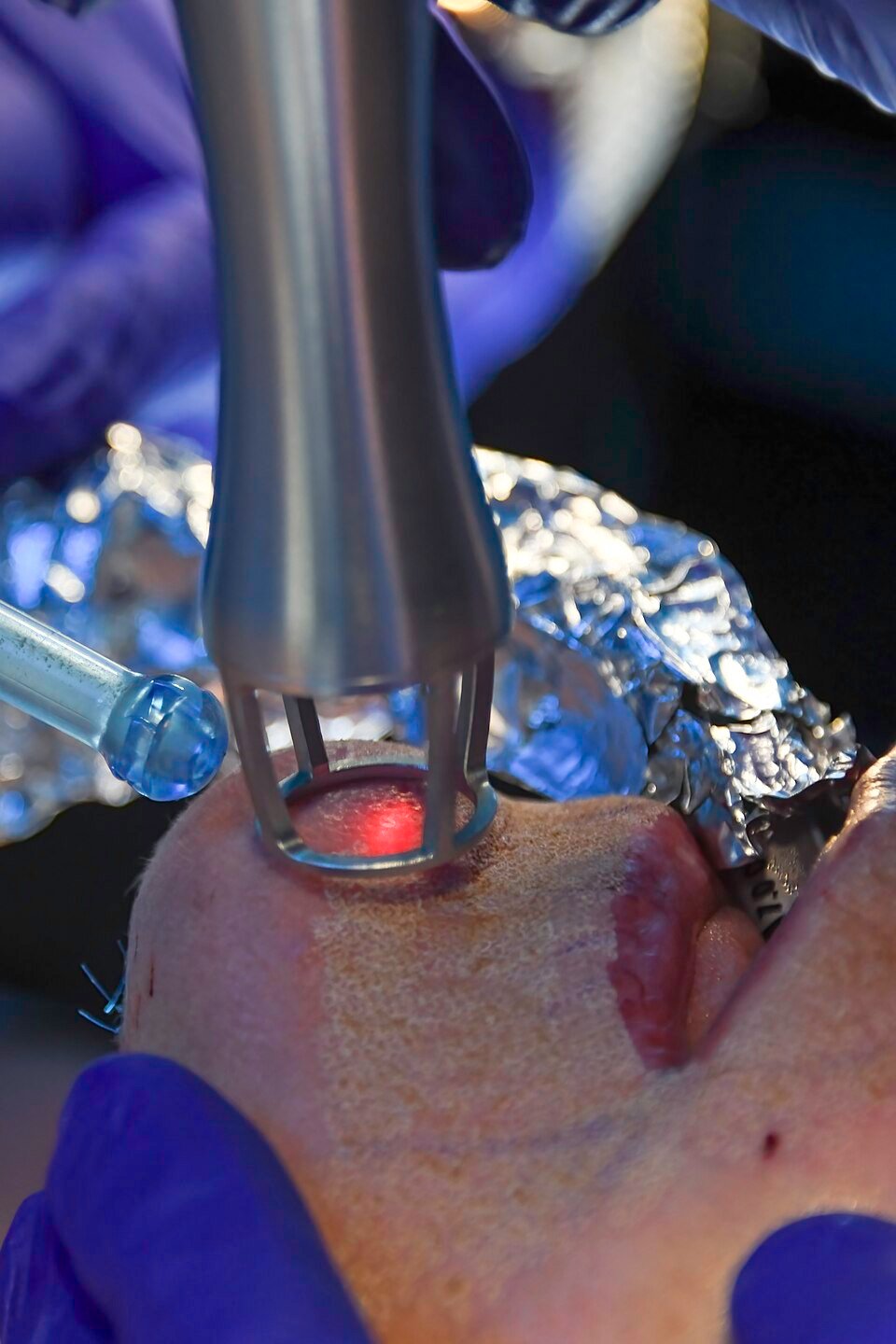
Resurfacing removes or injures the outer skin in a controlled way so that smoother skin and new collagen form during healing. Chemical peels dissolve the top layers; dermabrasion scrapes them away; microdermabrasion gently sands the surface. Laser skin resurfacing sends short, concentrated pulses of light that remove damaged skin layer by layer and heat the dermis to stimulate collagen. It can reduce fine lines around the eyes, forehead and mouth as well as sun damage and acne scars.
Source: Cleveland Clinic, Cleveland Clinic, ASPS
Peels come in light, medium and deep strengths. A light peel heals in about 1 to 7 days and often needs 3 to 5 sessions; a medium peel takes 7 to 14 days to heal; a deep peel needs general anesthesia, 14 to 21 days of healing and months of strict sun avoidance. Microneedling creates tiny wounds that heal quickly, with 1 to 3 days of recovery.
Source: AAD, Cleveland Clinic
Facelift surgery
A facelift (rhytidectomy) removes excess skin and fat and tightens the deeper tissue layers of the face and neck. It treats sagging, jowls, deep folds between the nose and mouth, and loose neck skin rather than fine surface lines, which is why it is often combined with resurfacing, fillers, a brow lift or eyelid surgery. It is done under general anesthesia, recovery takes three weeks or more, and results usually last 7 to 10 years.
Source: ASPS, Cleveland Clinic
Comparing the options
| Treatment | Best for | Recovery | How long results last |
|---|---|---|---|
| Retinoid creams | Fine lines, texture | None (early dryness, peeling) | While you keep using them |
| Botulinum toxin (Botox) | Frown lines, crow’s feet, forehead lines | No downtime | About 3 to 4 months (AAD) |
| Hyaluronic acid fillers | Deep resting lines and folds, lost volume | 1 to 3 days | About 4 to 12 months (AAD) |
| Microneedling | Fine lines, texture | 1 to 3 days | Up to 6 months |
| Chemical peel | Wrinkles, discoloration, scars | 1 to 3 weeks | Up to 6 months |
| Laser resurfacing | Fine lines, wrinkles, sun damage | 1 to 3 weeks | Up to 5 years |
| Dermabrasion | Wrinkles, uneven surface | 1 to 3 weeks | Described as permanent |
| Facelift | Sagging skin, jowls, deep folds | 3 weeks or more | Usually 7 to 10 years |
Source: Cleveland Clinic, AAD, AAD
Sources differ on how long some results last. Figures depend on the product, the area treated and the person, so ask your provider what to expect for your own face.
Source: Cleveland Clinic, AAD
Complications and treatment risks
Wrinkles themselves are harmless. Early or unusually fast wrinkling, however, can be a sign of heavy sun damage, which also raises the risk of skin cancer. That is a good reason to have sun-damaged skin checked.
Source: MedlinePlus, Cleveland Clinic
Every wrinkle treatment carries some risk. Cleveland Clinic lists allergic reactions, swelling, bruising, pain, infection, scarring, changes in skin color or texture, permanent bumps after fillers and temporary muscle weakness after botulinum toxin. With Botox, a temporarily droopy brow or eyelid is rare; bruising usually fades in about a week. Filler redness, swelling and tenderness usually settle within 7 to 14 days.
Source: Cleveland Clinic, AAD, AAD
The most serious filler risk, according to the FDA, is accidental injection into a blood vessel. This can block blood flow and cause tissue death, vision problems including blindness, or stroke, and these injuries can be permanent. Laser resurfacing and medium or deep peels can cause lasting pigment changes, particularly in darker skin, so people with skin of color should choose a provider experienced with their skin type.
Source: FDA, Cleveland Clinic, AAD
Serious complications are much more likely when injections are given in non-medical settings such as spas, salons or parties, or by inexperienced providers. The FDA warns against buying fillers online, self-injecting and using needle-free filler pens, which it has not approved.
Prevention and daily skin care
Wrinkles cannot be prevented completely, but you can delay early wrinkles and slow sun-related aging. Sun protection is the single most important habit, and the AAD notes that it can help prevent, slow and even reverse some signs of sun damage; treatment results also last less well without it.
Source: Cleveland Clinic, AAD, Clatici et al., Maedica 2017
Practical steps recommended by dermatologists and health services:
- Use a broad-spectrum sunscreen of SPF 30 or higher every day on all skin not covered by clothing, and reapply about every 2 hours and after swimming or sweating.
- Wear a wide-brimmed hat, UV-protective sunglasses and protective clothing, and seek shade when the sun is strongest.
- Avoid tanning beds; use a self-tanner if you want a tan.
- Do not smoke, and avoid secondhand smoke.
- Moisturize daily and remove makeup before bed.
- Drink enough water and eat a balanced diet with vitamins A and C and lean protein; limit foods high in sugar and fat.
- Patch-test new products on your inner forearm for 4 to 5 days, and stop products that sting or burn unless a dermatologist prescribed them.
Source: Cleveland Clinic, Cleveland Clinic, NHS, AAD, MedlinePlus
When to see a doctor
Wrinkles are usually not a medical concern. See a doctor or dermatologist if they appear at an unusually young age or faster than expected for your age, if you want to discuss cosmetic treatment, or if a spot on wrinkled or sun-damaged skin is changing, painful or bleeding.
Source: MedlinePlus, Cleveland Clinic
After any wrinkle procedure, contact your provider if your skin does not heal, looks infected, or you develop a fever, severe pain, or swelling and bruising that do not improve after a couple of days.
Source: Cleveland Clinic, Cleveland Clinic
- You notice vision changes or loss of vision after a filler injection.
- The skin near an injection turns white, gray or blue, or you feel unusual pain there.
- You develop stroke signs such as facial drooping, numbness or weakness, trouble speaking or a severe headache.
- You have trouble breathing, swallowing or speaking after botulinum toxin.
Related treatments
Related conditions
Wrinkles: frequently asked questions
What causes wrinkles?
Natural aging thins the skin and loosens its collagen and elastin. Sun exposure, smoking, repeated facial expressions, pollution and genetics speed the process.
Source: Cleveland Clinic, MedlinePlus
At what age do wrinkles start?
Fine lines can appear after about age 25, and wrinkles become more prominent after 65. Heavy sun exposure or smoking can bring them on earlier.
Source: Cleveland Clinic, Cleveland Clinic
Can wrinkles be reversed?
They cannot be fully reversed, but retinoids, botulinum toxin, fillers, resurfacing and surgery can soften them, and strict sun protection can reverse some signs of sun damage.
Source: Cleveland Clinic, AAD
Does sunscreen really prevent wrinkles?
Yes, it is the most important protective habit. UV light is estimated to cause about 80% of visible facial aging, and daily broad-spectrum SPF 30 or higher reduces it.
Source: Clatici et al., Maedica 2017, Zhang & Duan, Cell Transplant 2018, AAD
How long does Botox last for wrinkles?
What is the difference between Botox and fillers?
Botox relaxes the muscles that cause expression lines. Fillers add volume to fill or lift deeper lines and folds that stay visible at rest.
Source: Cleveland Clinic, Cleveland Clinic
Do anti-wrinkle creams work?
Retinoid creams have the best evidence and can soften fine lines over several months. Moisturizers plump lines temporarily; price does not predict effectiveness.
Source: Cleveland Clinic, AAD
Does smoking cause wrinkles?
Yes. Smoking reduces new collagen production and is linked to facial wrinkling in a dose-dependent way; some studies find it rivals sun exposure.
Thinking about treatment for wrinkles? Contact us to arrange a consultation with a cosmetic specialist.
Sources
- Cleveland Clinic — Wrinkles & Fine Lines: Types, Causes & Prevention
- Cleveland Clinic — How to Get Rid of Wrinkles: Retinol, Fillers & Other Treatments
- Cleveland Clinic — Sun-Damaged Skin: Photoaging, Signs, Causes & Treatment
- Cleveland Clinic — Retinol: Cream, Serum, What It Is, Benefits, How To Use
- Cleveland Clinic — Neuromodulators (Botox/Dysport/Xeomin): Plastic Surgery
- MedlinePlus — Wrinkles (Medical Encyclopedia)
- AAD — Wrinkles
- AAD — Wrinkle remedies
- AAD — How dermatologists treat sun-damaged skin
- AAD — Botulinum toxin therapy: Overview
- AAD — Botulinum toxin therapy: FAQs
- AAD — Fillers: Overview
- AAD — Fillers: FAQs
- AAD — Chemical peels: FAQs
- ASPS — Laser Skin Resurfacing
- ASPS — Dermal Fillers
- ASPS — Facelift Surgery
- FDA — Dermal Fillers (Soft Tissue Fillers)
- NHS — Sunscreen and sun safety
- Zhang & Duan, Cell Transplant 2018 — Fighting against Skin Aging: The Way from Bench to Bedside
- Clatici et al., Maedica 2017 — Perceived Age and Life Style. The Specific Contributions of Seven Factors Involved in Health and Beauty
This page is part of the Morepital medical reference. It is for general health education and does not replace a consultation with a qualified doctor. Last reviewed: October 2026.